Removing friction from digital work so organisations can focus on what matters
These posts are drawn from real situations — the kinds of problems that come up repeatedly in organisations of all sizes, and the practical approaches that made a difference. No case studies dressed up as thought leadership. No theoretical frameworks applied to imaginary scenarios. Just honest accounts of what we found, what we changed, and what happened next.
If something here sounds familiar, it probably is. And if it does, it's also probably fixable.
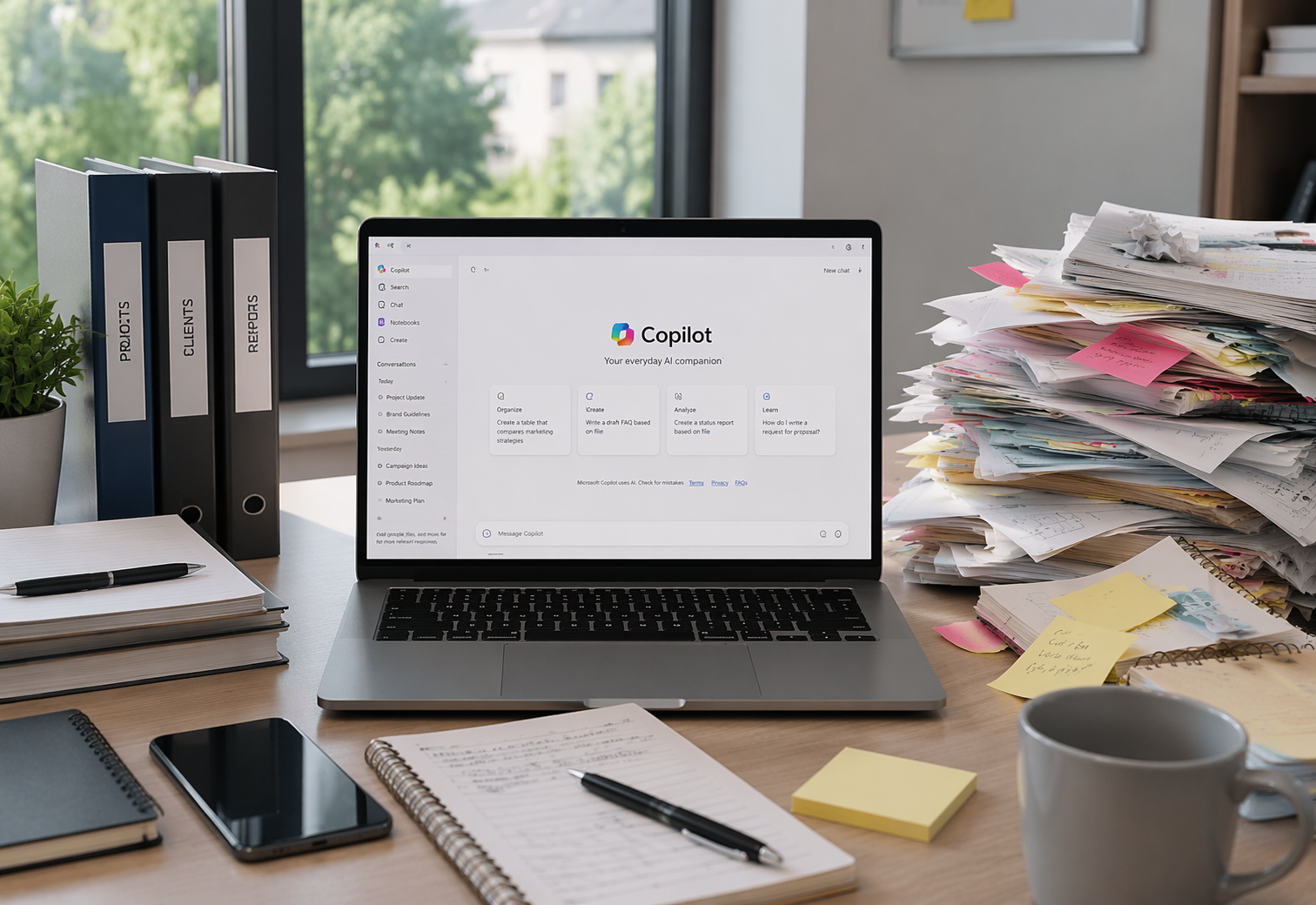
Microsoft Copilot is genuinely powerful — but only when the organisation using it is ready for it. Most aren't, and most don't know it yet. Before you spend the money, here's the question worth asking first.
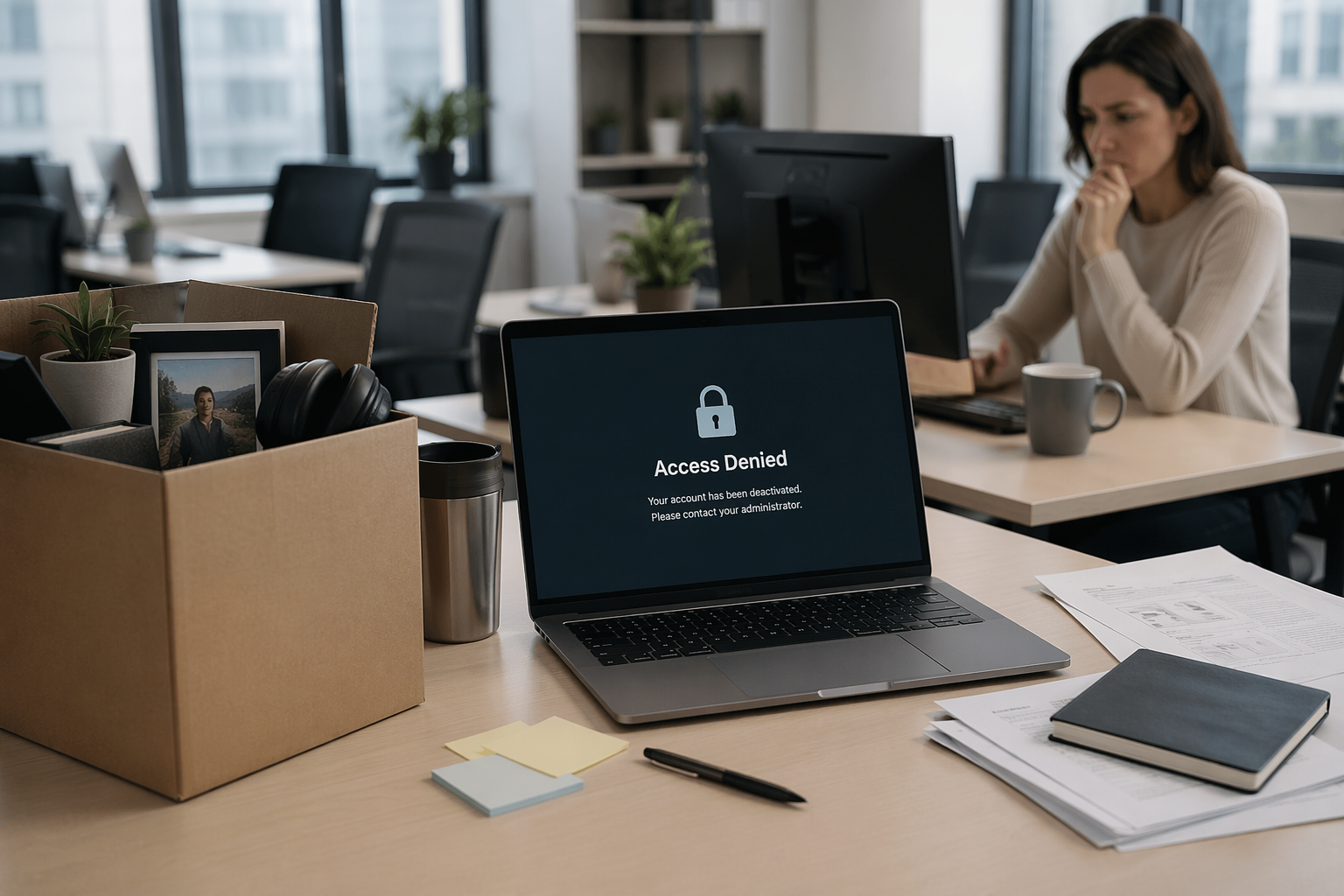
When a member of staff leaves, their knowledge should stay behind. Too often, it doesn't — not because anyone was careless, but because nobody ever decided where important things should live. This is what that looks like in practice, and how a simple change to where documents are stored protects an organisation from a problem that's entirely avoidable.
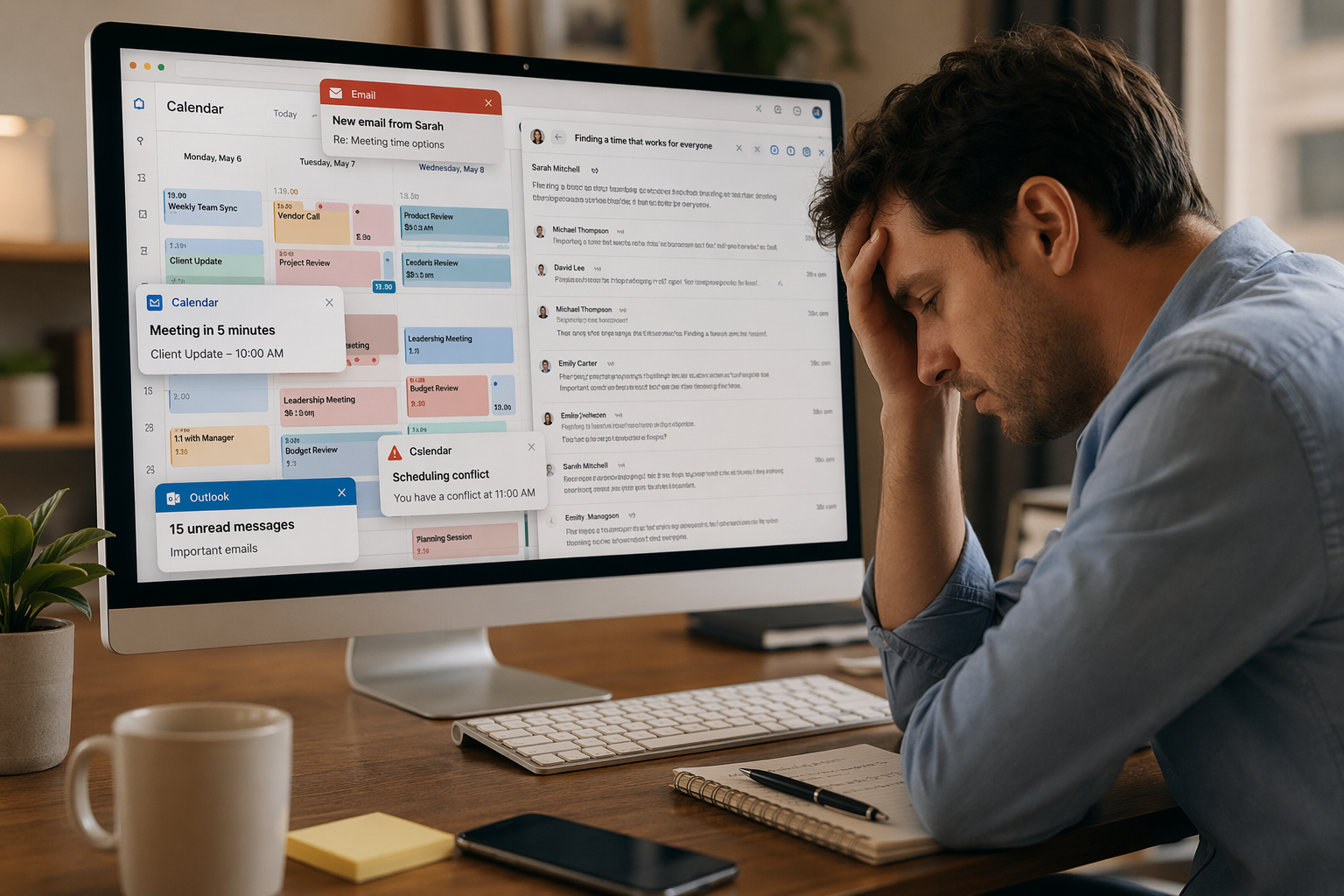
Nobody thinks of meeting scheduling as a significant drain on time. It's just something that happens. Except when we looked closely at how one organisation was doing it, fourteen emails were going back and forth before anyone had even sat down. Here's what changed.
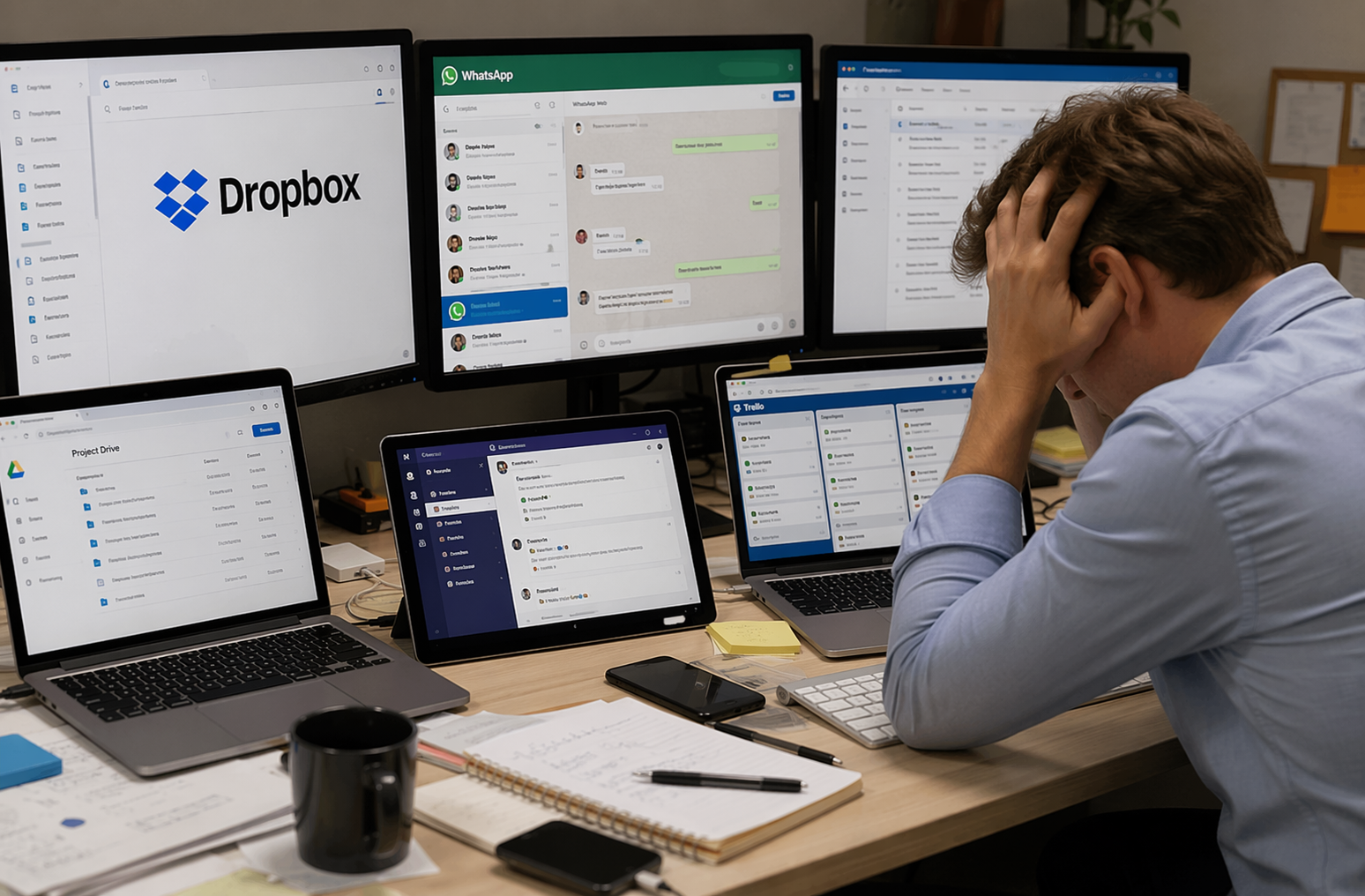
When files can live in six different places, they effectively live nowhere. This is the story of a team that had accumulated every tool going — and couldn't find anything. The fix wasn't another tool. It was a decision.
A CEO approached me with a concern that will feel familiar in many organisations: her teams were constantly busy, yet progress on key work was slow and inconsistent. Meetings were full, inboxes overflowing, and despite everyone working hard, the organisation felt stuck.
To understand what was happening, we reviewed internal email usage over a three‑month period. The findings were revealing.
Many organisations still rely on long email chains to manage the hiring and onboarding process. Everything from the initial interview scheduling to contracts, equipment requests, and account creation is passed around by email, often with no single owner and no clear workflow.
The result is a slow, inconsistent process. It is not uncommon for new starters to arrive on their first day with no laptop, or with a laptop but no user account, or with neither. This creates a poor first impression and places unnecessary pressure on HR, IT, and hiring managers.
In most cases, the underlying issue is not people but the process itself.
Recently, I was asked to confirm some standard business details for a compliance check. The information arrived as a PDF generated from Word. It wasn’t form‑fillable, and I didn’t want to print it. That meant:
downloading the PDF
trying (and failing) to make it fillable
wasting far too much time fixing a document format problem
All for something that should have taken five minutes.